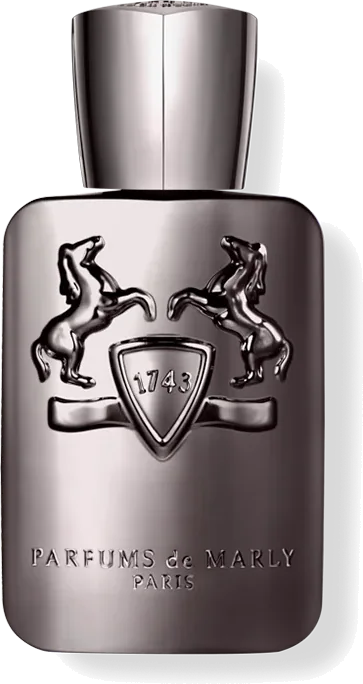
Herod has been Parfums de Marly’s tobacco flagship since 2012, and it remains one of the most requested niche fragrances of its type. The catch is the price: $290 for 75 ml from the official store puts it out of reach for many buyers who just want that warm tobacco-vanilla signature. This review breaks down what Herod actually does on skin, where its weaknesses are, and whether Dua’s King of Judea Attar makes a sensible stand-in.
What Does Parfums de Marly Herod Smell Like?
The opening pairs bright cinnamon with pepperwood, a peppery woody note that keeps the spice from reading like baking goods. Within twenty minutes the heart takes over: tobacco leaf rendered sweet rather than dry, wrapped in resinous labdanum and a thin ribbon of incense. Osmanthus adds a faint fruity-leathery shade that stops the blend from feeling dense. From there Herod settles into its famous drydown, creamy vanilla supported by cedar, vetiver, cypriol and a soft musk, with Iso E Super giving the whole thing a clean woody glow. The community reads this as tobacco first, vanilla second, warm spice third, and that ordering matches what you smell on skin. It is a gourmand leaning amber woody, sweet but not syrupy, with just enough smoke to keep it grown up. Compared with something like Spicebomb, Herod is smoother and more polished, less loud, and clearly built on higher quality materials.
Performance
Performance is the main reason people pay the premium. Expect 8 to 12 hours of longevity on skin, with strong projection during the first two to three hours before it pulls back to a solid scent bubble that still announces you when you enter a room. In cold weather it can survive a full workday into the evening. The flip side is that two sprays do the job of four; overspraying Herod in an office or a car becomes unpleasant fast. Some reviewers also report batch variation, with older bottles occasionally reading weaker than recent ones, so buying from an authorized retailer matters.
Best Clone Or Alternative
Dua Fragrances sells King of Judea Attar as a direct inspiration of the 2012 Herod formulation, and the note list matches almost exactly: pepperwood, cinnamon, tobacco, osmanthus, labdanum, incense, cedar, vetiver, vanilla, cypriol, musk and Iso E Super, with patchouli added for depth. At $65 for 34 ml it costs less than a quarter of the original per milliliter. Because it is an extrait-strength attar around 33 percent, it actually projects harder and lasts longer than Herod, though the texture is oilier and the blending less refined. If you want the Herod DNA on a budget, this is the pick. If you want the smoothest possible version of that DNA and a bottle worth displaying, the original still earns its price.
When To Wear It
Herod is a cold weather evening fragrance. Fall and winter nights, date nights, dinners, parties and special occasions are where it shines. It works for casual cold-weather daytime wear too, as long as you keep the spray count low. In summer heat the sweetness turns heavy and cloying, so most owners shelf it from June through August.
Who Should Buy It
Buy Herod if you want a refined, compliment-friendly tobacco-vanilla that performs all night, and you value smooth blending enough to pay for it. It suits anyone over 25 who already knows they love sweet tobacco scents and wants one definitive bottle.
Who Should Skip It
Skip it if you dislike sweet fragrances, need something office-safe, or live in a hot climate where it will rarely leave the drawer. Budget-conscious buyers should try the Dua attar first, because at $290 the original demands a genuine preference for its polish.
Final Verdict
Herod is a deservedly loved tobacco-vanilla with elite longevity and a smooth, expensive feel. Its flaws are seasonal limits, modest versatility and a steep price. For most buyers, sampling first is wise; for those who love the profile, it remains one of the best executions in its category, and King of Judea Attar is a credible cheaper route to nearly the same destination.